Most companies want as many customers as possible.
Ferrari is different.
The luxury car manufacturer has spent decades building one of the most exclusive brands in the world, and part of maintaining that exclusivity means protecting its image at all costs.
In some cases, Ferrari has reportedly refused future sales to celebrities who violated the brand’s unwritten rules. Whether through controversial modifications, public disputes, or behavior that didn’t align with Ferrari’s image, these individuals discovered that having money isn’t always enough.
As a personal branding strategist, I find this fascinating because it proves something many founders forget: reputation is often more valuable than revenue.
1. Justin Bieber: When personal expression clashes with brand identity
One of the most widely reported Ferrari controversies involved Justin Bieber.
After purchasing a Ferrari 458 Italia, Bieber reportedly modified the car extensively, changing its appearance with custom bodywork and colors that were far removed from Ferrari’s original design.
While many celebrities see their cars as an extension of their personal style, Ferrari has traditionally been very protective of how its vehicles are presented.
Reports later surfaced that Bieber had effectively damaged his relationship with the brand and was unlikely to receive access to certain future Ferrari models.
Whether you agree with Ferrari or not, the lesson is clear.
When you build a powerful brand, consistency matters.
As founders, we often want to chase every trend or constantly reinvent ourselves. But trust is built when people know exactly what you stand for.
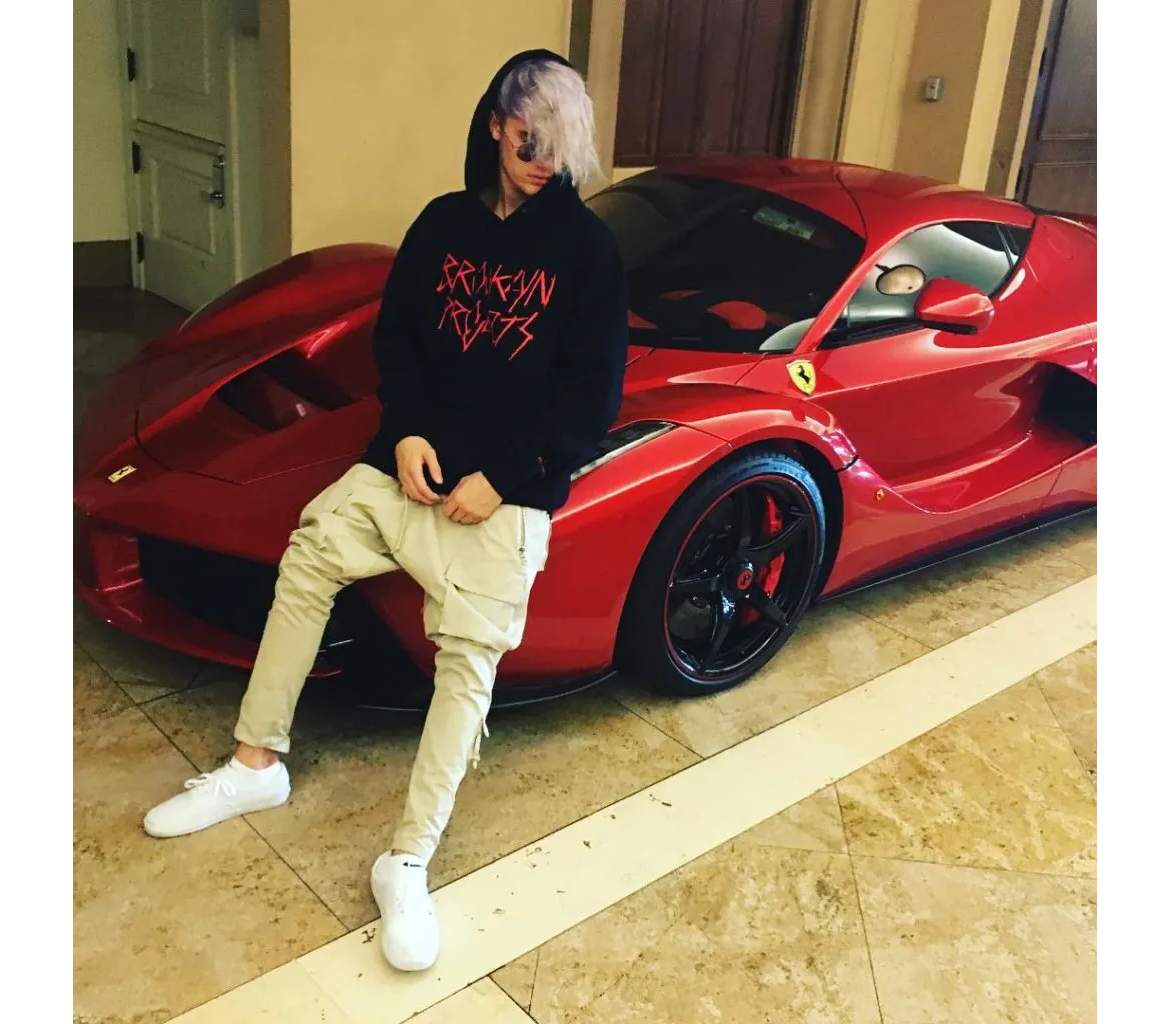
2. Deadmau5: The famous “Purrari” dispute
Canadian DJ Deadmau5 became famous for transforming his Ferrari into what he called a “Purrari.”
Inspired by the viral Nyan Cat meme, the car featured custom graphics, branding, and modifications that turned the luxury sports car into an internet joke.
Ferrari was reportedly not amused.
The company allegedly sent legal notices regarding the use of Ferrari trademarks and branding, eventually leading Deadmau5 to remove the modifications.
From a branding perspective, this is incredibly interesting.
Deadmau5 was building his personal brand.
Ferrari was protecting its corporate brand.
Neither side was necessarily wrong. They simply had different priorities.
This is something founders should remember. As your visibility grows, every public action becomes part of your reputation. What feels funny or harmless to you may be perceived very differently by your audience, investors, partners, or customers.
3. Kim Kardashian: Why exclusivity matters
While Ferrari has never publicly confirmed a formal ban, Kim Kardashian is often mentioned in luxury automotive discussions because Ferrari is known for limiting access to certain ultra-exclusive models and carefully selecting who gets to buy them.
Luxury brands don’t just sell products. They sell status, perception, and association.
The reality is that some brands are extremely selective about who represents them publicly because they understand something many businesses don’t.
Who is associated with your brand affects how people perceive your brand.
This principle applies far beyond luxury cars.
For founders, it applies to partnerships, clients, investors, employees, and even the content you publish online.
Every association sends a signal.

The real lesson for founders
What fascinates me about Ferrari is that the company consistently prioritizes long-term reputation over short-term revenue.
Most businesses would happily accept money from any celebrity.
Ferrari is willing to walk away if it believes the relationship could damage the brand.
That’s a difficult decision, but it’s also why Ferrari remains one of the most respected luxury brands in the world.
As founders, we often focus on growth, sales, and visibility.
Those things matter.
But reputation matters more.
Because reputation is what determines whether people trust you.
It’s what determines whether investors take your call.
It’s what determines whether clients choose you over competitors.
And it’s what determines whether opportunities continue to come your way years from now.
Why personal branding works the same way
When people hear the phrase personal branding, they often think about social media posts or LinkedIn content.
I think about reputation.
Your personal brand is simply your reputation at scale.
It’s what people think about when they hear your name.
It’s what appears when somebody Googles you.
It’s the story people tell about you when you’re not in the room.
And just like Ferrari, every founder needs to decide what they want to be known for.
Because in the long run, the strongest brands are not built by trying to appeal to everyone.
They’re built by protecting what makes them valuable in the first place.
If you want to build a founder brand that attracts opportunities, strengthens trust, and positions you as a leader in your industry, that’s exactly what we focus on inside the Private Founders Community, where founders learn how to turn visibility into lasting reputation and business growth.