Rhode didn’t become a billion dollar brand because of great skincare alone
When Rhode launched, many people assumed its success came from celebrity influence alone.
After all, Hailey Bieber already had millions of followers, global recognition, and years of media attention. It would be easy to conclude that the brand succeeded simply because she was famous.
I don’t think that’s the full story.
There are countless celebrity brands that receive enormous attention during launch and quietly disappear a few years later. Fame may generate curiosity, but it doesn’t automatically build a sustainable business.
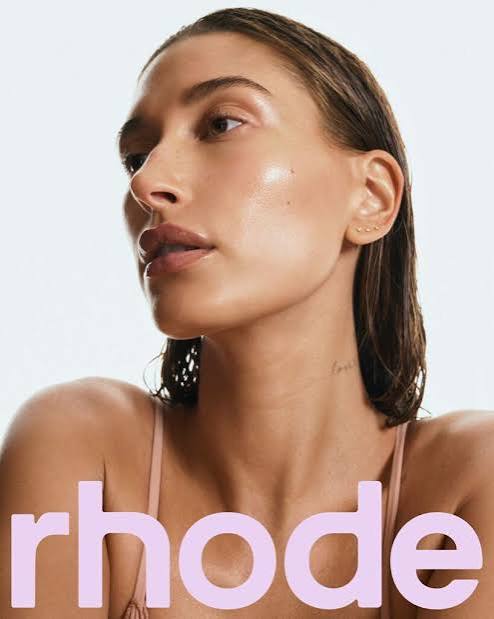
What fascinates me about Rhode is that Hailey Bieber didn’t just launch a skincare company. She built a founder led brand where people became emotionally connected to the person behind the products.
As someone who helps founders build personal brands every day, I think there is an important lesson here. Visibility doesn’t replace a great product, but it can dramatically accelerate the trust people place in it.

People don’t just buy products. They buy stories.
One thing I’ve noticed over the years is that people rarely connect emotionally with companies.
They connect with people.
When customers bought Rhode products, many of them weren’t simply purchasing skincare. They were buying into Hailey’s routines, her lifestyle, her aesthetic, and the story she had been consistently sharing long before Rhode ever existed.
That is exactly what personal branding does.
It allows people to become familiar with your values, your expertise, and your way of thinking before you ever ask them to buy something.
I often tell founders that content is not about selling today’s product.
It’s about building tomorrow’s trust.
Founder visibility shortens the path to trust
Imagine discovering two skincare brands with similar products.
One belongs to a founder you’ve followed for years. You’ve watched interviews, read articles, seen their content, and understand why they created the company.
The other belongs to someone you’ve never heard of.
Which brand feels less risky?
Most people instinctively choose the familiar option.
Not necessarily because the product is objectively better, but because familiarity reduces uncertainty.
This principle applies to almost every industry.
Whether you’re selling software, consulting, healthcare services, or real estate, people feel more comfortable buying from founders they already know.
That is why I believe founder visibility has become one of the strongest competitive advantages a business can build.
Consistency created the Rhode brand long before launch
One thing I admire about Hailey Bieber’s approach is that she didn’t suddenly appear online when Rhode launched.
Her audience had already spent years following her.
They knew her style.
They understood her interests.
They recognized her aesthetic.
When Rhode finally arrived, it didn’t feel like a random business idea.
It felt like the natural next chapter.
I think founders often make the opposite mistake.
They spend years building a product in complete silence, then expect people to care the moment they launch.
Unfortunately, trust rarely works that way.
People support what feels familiar.
The more consistently you share your journey before launch, the stronger your launch becomes.
Your personal brand becomes your best marketing asset
Marketing is becoming more expensive every year.
Competition is increasing.
Attention is becoming harder to earn.
That is exactly why I believe personal branding has become such an important business investment.
When people already trust the founder, every marketing campaign becomes more effective.
Every podcast interview creates more credibility.
Every LinkedIn post reinforces your expertise.
Every article becomes another reason for someone to remember your name.
Over time, your personal brand begins generating opportunities that paid advertising alone cannot create.
It becomes a business asset that continues working even when you’re focused elsewhere.
Visibility should always be backed by substance
I also think Rhode teaches founders another important lesson.
Visibility alone is never enough.
People may buy once because they’re curious.
They only come back if the product delivers.
The same principle applies to personal branding.
Your visibility might earn you the first meeting.
Your expertise earns the second.
That’s why I always encourage founders to focus on both.
Build something genuinely valuable.
Then make sure people actually know it exists.
The combination is incredibly powerful.

Every founder has the opportunity to become the face of their business
You don’t need millions of followers to apply the same principles.
Most founders aren’t building global consumer brands.
They’re building consulting firms, technology companies, agencies, investment firms, healthcare businesses, or professional services.
In every one of those industries, people still want to know who they’re working with.
They Google founders.
They visit LinkedIn profiles.
They read articles.
They watch interviews.
They look for signals that reduce uncertainty before making an important decision.
Your personal brand helps answer those questions before the first conversation even begins.
If you’re ready to build a founder brand that creates trust before your prospects ever visit your website, I’d love to welcome you to the Private Founders Community.
Inside, we help founders and CEOs develop authority, position themselves as industry leaders, and turn their personal brand into one of the most valuable assets their business will ever own.