Your profile is part of your sales process
One thing I constantly tell founders is that LinkedIn is doing more work for your business than you probably realize. You may think you’re simply publishing content or networking with other professionals, but potential clients are quietly forming opinions about you every day.
Someone can discover your name through a recommendation, see one of your comments, or come across one of your posts and decide to visit your profile. From that moment, your profile starts communicating on your behalf, even if you have no idea that person is there.
That is why I don’t see a LinkedIn profile as an online résumé. I see it as part of your sales process, because it can influence whether someone decides to trust you before you ever have the opportunity to speak.
1. Your profile tells people whether you are credible
Before someone considers working with you, they want reassurance that you actually know what you’re doing. Your experience, achievements, recommendations, content, and professional presentation all contribute to that perception.
You don’t necessarily need hundreds of awards or an impressive list of companies to create credibility. What matters is showing relevant evidence that supports the expertise you’re positioning yourself around.
When people can quickly see that you have experience solving the type of problems they are facing, the conversation starts from a completely different place. Instead of asking whether you’re qualified, they can start thinking about how you might be able to help them.

2. Your profile communicates who you are
Clients aren’t only buying your expertise. Especially when you’re selling a high value service, they’re also deciding whether they want to work with you personally.
This is why I don’t recommend making your LinkedIn profile completely corporate. Your personality, experiences, interests, and perspective can all contribute to building a stronger connection with the people you want to attract.
People remember people. If your profile gives someone a sense of who you are beyond your job title, you become much easier to remember when an opportunity comes up.
3. Your content demonstrates how you think
One of the most powerful things about LinkedIn is that potential clients can experience your expertise before they contact you. Your posts and articles give them an opportunity to understand your opinions, your knowledge, and the way you approach problems.
This is especially important for founders because your content can become proof of your expertise. Instead of saying that you’re a thought leader, you can demonstrate your thinking publicly through the ideas you share.
I always prefer this approach to simply listing achievements. When someone reads several of your posts and consistently finds value in them, trust begins developing naturally.
4. Your profile can remove doubts before the sales call
Every potential client has questions before making a significant business decision. They may wonder whether you understand their industry, whether you’ve worked with people like them, or whether your approach is actually relevant to their situation.
A well structured LinkedIn profile can answer many of those questions before the first meeting. Your experience can provide context, your content can demonstrate expertise, and your recommendations can provide social proof from people who have already worked with you.
This means your first sales call can become much more productive. Instead of spending half the conversation establishing basic credibility, you can focus on understanding the client’s actual needs.
5. Your reputation can become your biggest advantage
The ultimate goal isn’t simply to have a beautiful LinkedIn profile. It is to build a reputation that makes people want to work with you.
When your profile, content, experience, and social proof consistently communicate the same message, people begin associating your name with a particular type of expertise. Over time, that recognition can create opportunities that you would never have found through traditional prospecting alone.
This is why I believe personal branding is a long term investment. You are building an asset that can continue attracting attention, trust, and opportunities even when you’re focused on running your business.
Your next client may already be looking at your profile
You never really know who is researching you on LinkedIn. It could be a potential client, an investor, a journalist, a conference organizer, or someone who has been referred to you by another founder.
They may never tell you they visited your profile.
But their decision can still be influenced by what they find there.
That’s why I encourage founders to stop thinking about LinkedIn as something they need to use only when they want more visibility. Your profile should be ready to represent you every day, because you never know when the next opportunity will arrive.
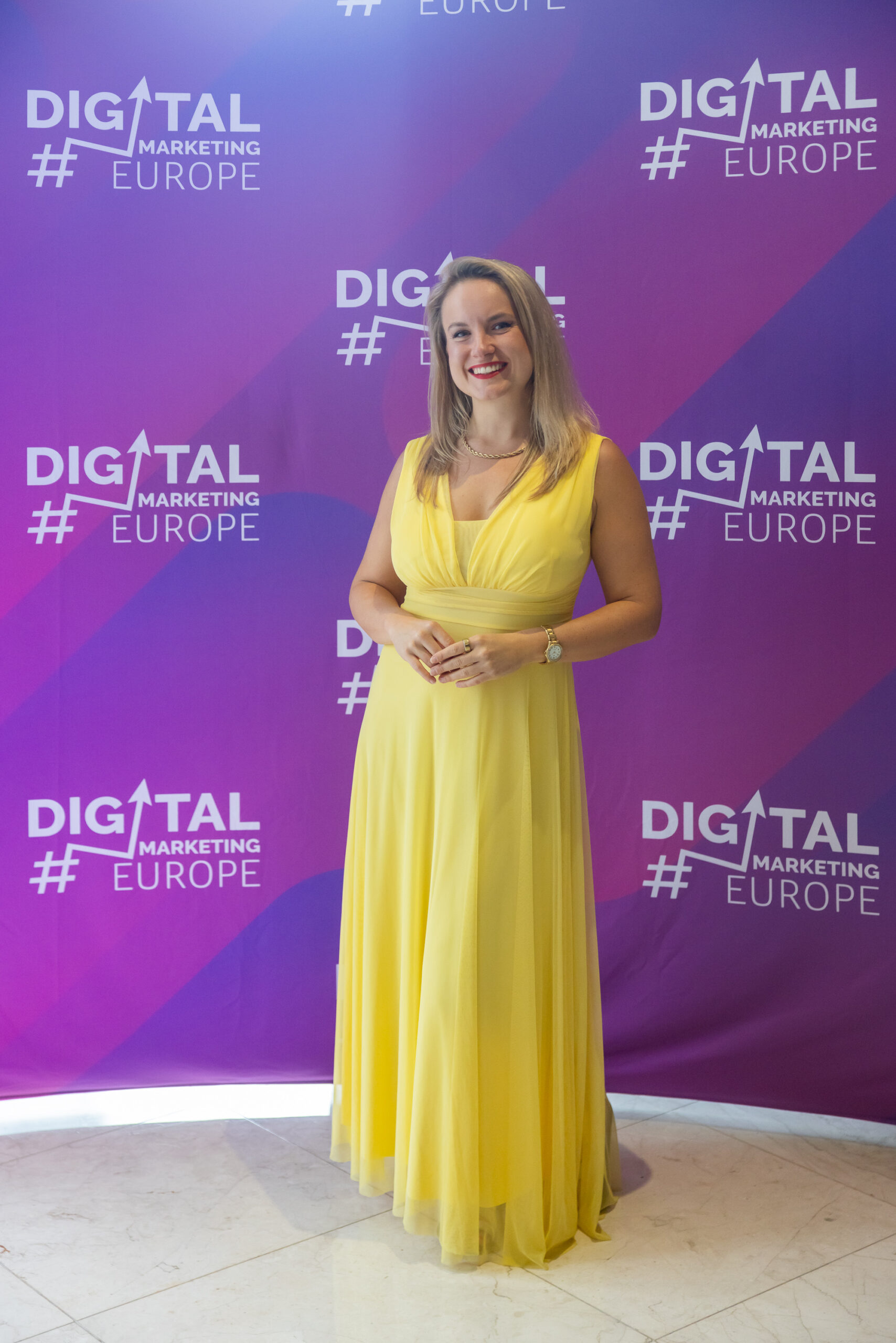
Watch the Full Video on YouTube
If you’d like to understand what people actually look for when they research you on LinkedIn, I’ve created a dedicated YouTube video around this topic. In the video, I break down the key elements people notice before contacting you and explain how founders can use their profile to create trust, credibility, and stronger first impressions.
Our YouTube channel is where I regularly share LinkedIn strategies, personal branding advice, profile breakdowns, and practical insights for founders, CEOs, and entrepreneurs. If you want to understand how to turn LinkedIn into more than a networking platform and start using it as a genuine business growth tool, I encourage you to watch the full video and subscribe for more content.
If you’re ready to build a personal brand with a clear strategy behind it, you can also join our Private Founders Community. Inside, we help founders and CEOs strengthen their positioning, create authority through content, and build a LinkedIn presence that consistently creates trust, visibility, and business opportunities.