One of the questions I hear most often from founders is, “What should I actually post on LinkedIn?” They know they should be visible, they understand that personal branding matters, and they may even follow other successful founders, but when it is time to write their own post, they suddenly have no idea where to begin.
I completely understand that feeling. Posting publicly can feel uncomfortable, especially when you are used to communicating privately with clients, investors, or your team. But you do not need to become a professional creator overnight. You simply need a clear starting point and a willingness to share what you already know.
1. Decide what you want to be known for
Before you publish your first post, I recommend deciding what you want people to associate with your name. Your personal brand becomes much stronger when there is a clear connection between your expertise, your content, and the audience you want to attract.
Think about the problems you solve, the conversations you have with clients, and the subjects you could discuss for hours without needing to research every sentence. Those areas are usually the best starting points because they give you an almost endless supply of content ideas.
You do not need to choose one topic forever. You simply need a few clear themes that you can consistently return to, so your audience begins to understand what you stand for.

2. Start with what you already know
I often see people overcomplicating their first LinkedIn posts because they think they need to say something groundbreaking. You don’t. Some of the most valuable content comes from answering questions you have already answered dozens of times in your business.
Think about something a client recently asked you. Consider a mistake you made and what it taught you. Share an opinion about something happening in your industry or explain a process that feels obvious to you but could be valuable to someone else.
Your expertise is often most valuable precisely where it feels ordinary to you. What you have learned through years of experience may be completely new to the person reading your post.
3. Share your perspective, not just information
There is a huge difference between creating educational content and simply repeating information that people could find anywhere online. If you want to build a personal brand, your perspective needs to be part of the content.
Tell people what you believe. Explain why you disagree with a common assumption. Share what you have seen work in your own experience and what you have learned from getting it wrong.
This is especially important now that AI makes generic content incredibly easy to produce. Information is everywhere, but your experiences, opinions, and way of thinking are uniquely yours. That is what gives your content a reason to be remembered.
4. Do not wait for the perfect post
One of the biggest barriers to posting consistently is perfectionism. People spend hours rewriting a post because they are worried about how it will be received, only to decide not to publish it at all.
Your first post does not need to be your best post. In fact, it probably won’t be.
You become better at LinkedIn by publishing, observing what resonates, learning from the conversations that follow, and improving the next piece. Your strategy will become clearer as you gain experience, so don’t wait until you have everything figured out before you begin.
5. Write for one person
When you are new to LinkedIn, it is tempting to write for everyone. You want founders to read your posts, potential clients to notice you, investors to respect you, and your entire network to engage with your content.
That usually makes the writing less interesting.
Instead, imagine you’re speaking to one specific person who has a problem you know how to solve. Write as if you’re having a conversation with them. When your content feels specific and personal, the right people are much more likely to recognize themselves in it.
6. Focus on consistency instead of volume
You do not need to publish several times a day to build a personal brand. What matters much more is creating a rhythm you can actually maintain.
If you can publish once or twice a week consistently, that is a much stronger foundation than posting every day for two weeks and then disappearing for three months. Your audience needs repeated exposure to your ideas before your name becomes associated with your expertise.
Over time, consistency creates familiarity. Familiarity creates trust, and trust is what ultimately turns visibility into relationships and business opportunities.
7. Remember that posting is only the beginning
Publishing a post is not the end of your LinkedIn strategy. Pay attention to the conversations your content creates, respond to thoughtful comments, engage with other people’s ideas, and look at which topics consistently attract the right audience.
Some of your best opportunities may not come directly from a post. Someone might read your content for several months before sending you a message or referring you to someone else.
That is why I encourage founders to think about LinkedIn as relationship building rather than simply content creation. Every post is another opportunity to show people how you think and give them a reason to remember you.
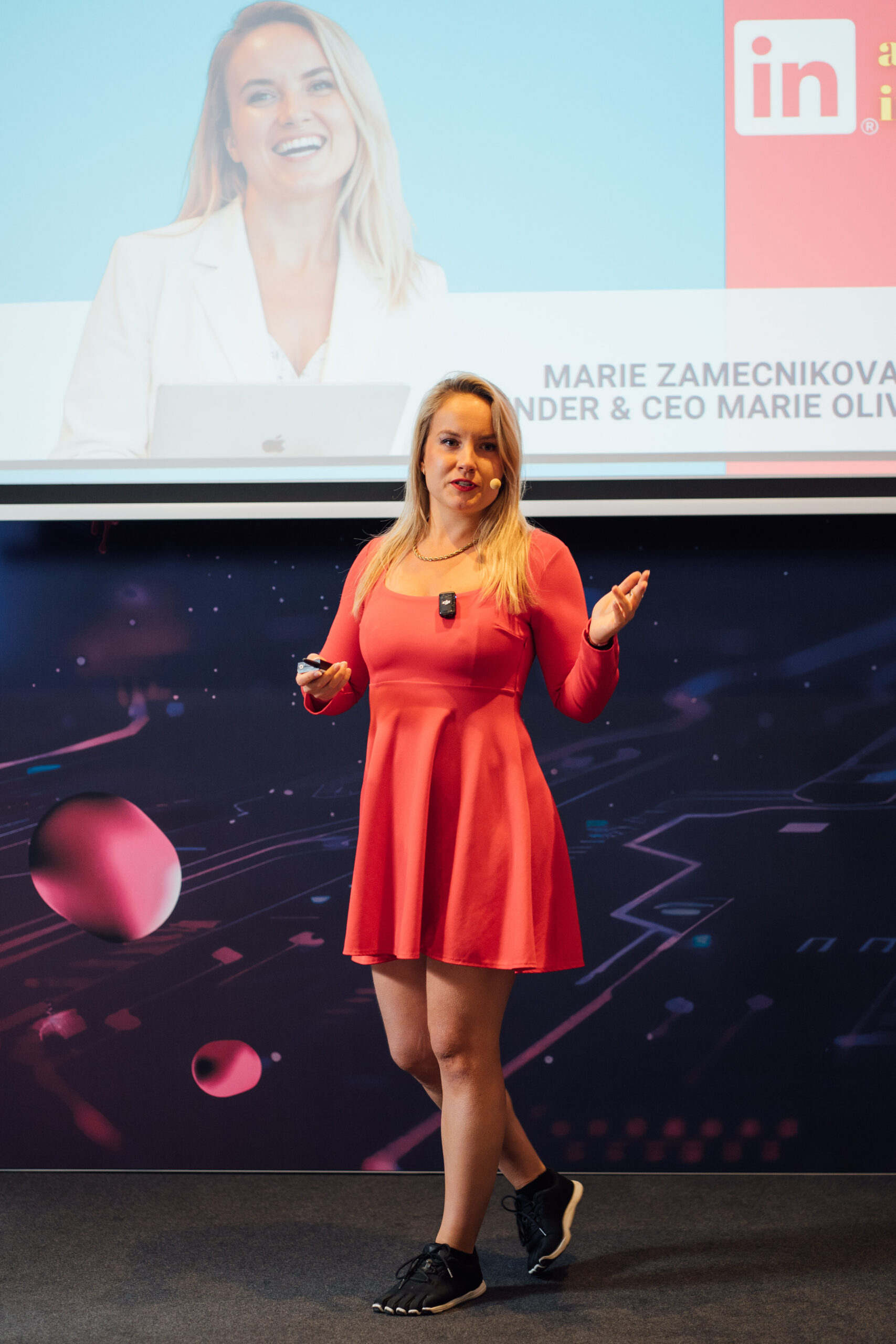
Your first post is more important than your perfect strategy
If you have been thinking about starting on LinkedIn but keep waiting for the right time, I would encourage you to start now. You already have experiences, lessons, opinions, mistakes, and expertise that can help someone else.
You do not need thousands of followers to make an impact. You need to consistently share valuable ideas with the people you want to build relationships with.
Your personal brand starts with one post, but it grows through everything you publish after that.
Watch the Full Video on YouTube
If you’d like to learn how to start posting on LinkedIn without feeling overwhelmed by what to say or how to structure your content, I’ve created a dedicated YouTube video around this topic. In the video, I walk through the process of getting started, explain what new creators should focus on first, and share practical ways to create content that feels natural while still supporting your personal brand.
Our YouTube channel is where I regularly share LinkedIn strategies, personal branding advice, content ideas, and practical insights for founders, CEOs, and entrepreneurs. If you’re ready to become more visible and build authority through your expertise, I encourage you to watch the full video and subscribe for more content.
If you want support turning your expertise into a clear personal brand strategy, you can also join our Digital Business College. Inside, we help founders and CEOs develop their positioning, create strategic content, build authority, and turn LinkedIn into a long term business growth engine.