I’m writing this from Vault 26, and being here in person has made one thing very clear to me: the way we think about visibility is changing.
There is something different about experiencing a business event in person rather than watching it through a screen. You notice the conversations happening between sessions, the people introducing themselves, the brands competing for attention, and the founders who naturally become magnets for conversations. You start to see that personal branding is not just about what you publish online. It is about how people experience your presence when you walk into a room.
That is probably my biggest takeaway from being here. Your personal brand is no longer something that lives on your LinkedIn profile. It follows you everywhere.
Being at Vault 26 Is a Reminder That People Remember People
Walking around Vault 26, I keep coming back to how much of business is ultimately human.
Yes, there are products, companies, technologies, presentations, and beautifully designed spaces everywhere. But when you actually start talking to people, what stays with you is the person you met and the impression they left behind.
That is exactly what happens online too. People might discover you through a LinkedIn post, a podcast, your website, or someone else’s recommendation, but eventually they want to understand the person behind the business.
This is why I have always believed that founders cannot completely separate their personal brand from their company brand. Your business may have a logo, a website, and a beautiful identity, but people still want to know who is behind it.
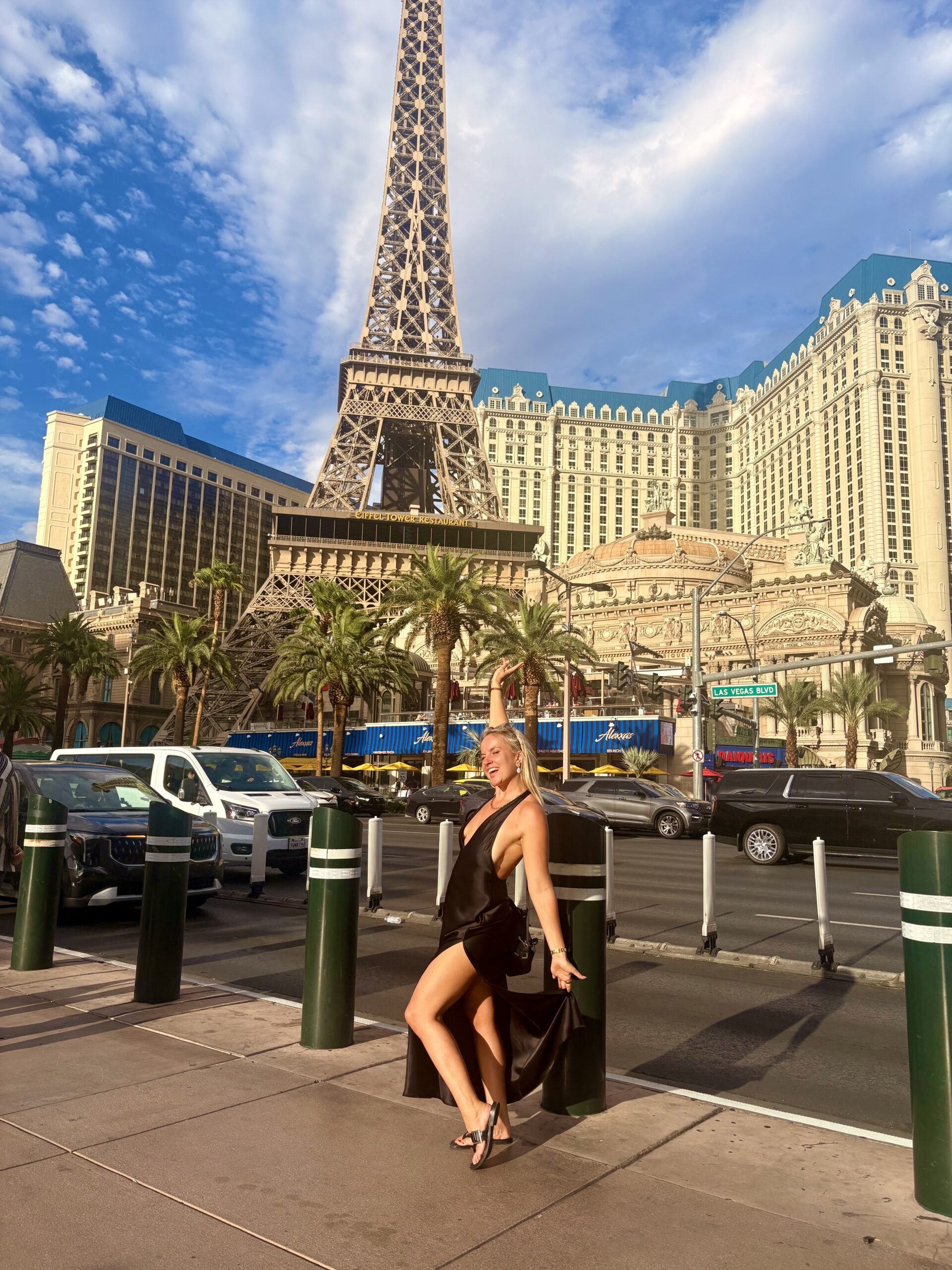
Visibility Changes When You Are Actually in the Room
There is a difference between being visible and being remembered.
You can technically be everywhere online and still fail to create a strong impression. At the same time, someone can have a relatively small audience and walk into a room where the right people immediately know who they are and what they represent.
Being at Vault 26 has made me think about this distinction even more. Visibility gets you noticed, but your positioning, personality, expertise, and ability to connect with people determine what happens after you are noticed.
That is why I do not want founders to think about personal branding purely in terms of followers or impressions. Those numbers can tell you something, but they do not tell you whether people actually remember you when an opportunity appears.
Your Personal Brand Enters the Room Before You Do
One of the most interesting things about building a personal brand is that people can already have an impression of you before you meet them.
They may have seen your content. They may have watched one of your videos. They may have heard your name from someone else. They may have looked at your LinkedIn profile five minutes before walking over to introduce themselves.
That changes the conversation completely.
Instead of starting with, “Who are you and what do you do?” the conversation can begin with, “I saw what you wrote about this,” or “I’ve been following your work.” Your personal brand has created context before the handshake even happens.
That is a very powerful advantage for founders.
The Strongest Brands Have a Point of View
Another thing I notice at events like Vault 26 is that standing out is not simply about having the biggest presence.
There are plenty of ways to attract attention, but attention alone is not the same as authority. The brands and people that stay with me are the ones that have something distinctive to say and a clear reason for being there.
The same principle applies to your personal brand. If your content could have been written by any founder in your industry, it becomes very difficult for people to remember you.
Your experience gives you information. Your perspective turns that information into a personal brand.
This Is Why Founders Need to Think Beyond LinkedIn
I love LinkedIn, and I still believe it is one of the most powerful platforms for founders who want to build authority. But being at Vault 26 is another reminder that your personal brand cannot live inside one platform.
Your LinkedIn profile is one expression of your reputation. So are your conversations, your interviews, your presentations, the way you communicate with your team, the way you represent your company, and the way people feel after meeting you.
The strongest personal brands are consistent across all of those experiences. Someone should be able to discover you online and then meet you in person without feeling like they encountered two completely different people.

What I Am Taking Away From Vault 26
I came to Vault 26 expecting to learn, connect, and experience the event. I am leaving with an even stronger belief that reputation is becoming one of the most important assets a founder can build.
Technology is moving incredibly quickly. AI is changing how businesses communicate, how content is created, and how brands compete for attention. But none of that eliminates the need for trust. If anything, it makes trust more valuable.
People still want to know who they can believe. They want to know who has real experience. They want to know who has a perspective worth listening to.
And that is exactly what a strong personal brand gives you the opportunity to build.
Your Personal Brand Is Bigger Than Your Content
If there is one thing I would tell a founder after being here, it is this: stop thinking about personal branding as simply posting on LinkedIn.
Think about the reputation you are creating every time someone encounters your name.
What do they associate you with? What do they remember? What do they believe you are exceptionally good at? Would they recommend you to someone else when you are not in the room?
Those questions matter far more than whether you managed to publish three posts this week.
Because ultimately, your personal brand is not the content you create. It is the perception that remains after people experience you.
If you’re ready to build a personal brand that people remember long after they leave the room, I’d love to welcome you to the Private Founders Community. Inside, we help founders and CEOs build authority, sharpen their positioning, create strategic content, and turn their reputation into a meaningful business asset.