Coming home from Vault 26, I keep thinking about one question: what actually makes someone unforgettable?
After spending time around founders, entrepreneurs, brands, and some incredibly interesting people, I left with a stronger belief that personal branding is entering a very different era. We have more content, more technology, and more ways to get attention than ever before, but attention itself is becoming easier to manufacture, while genuine trust and recognition are becoming much harder to create.
That is exactly why I believe the future of personal branding will be less about being everywhere and more about becoming someone people genuinely remember.
Vault 26 Changed the Way I Think About Visibility
Before attending Vault 26, I already knew that visibility mattered. I have spent years helping founders understand why their expertise needs to be visible and why hiding behind a company brand can limit the opportunities that come their way.
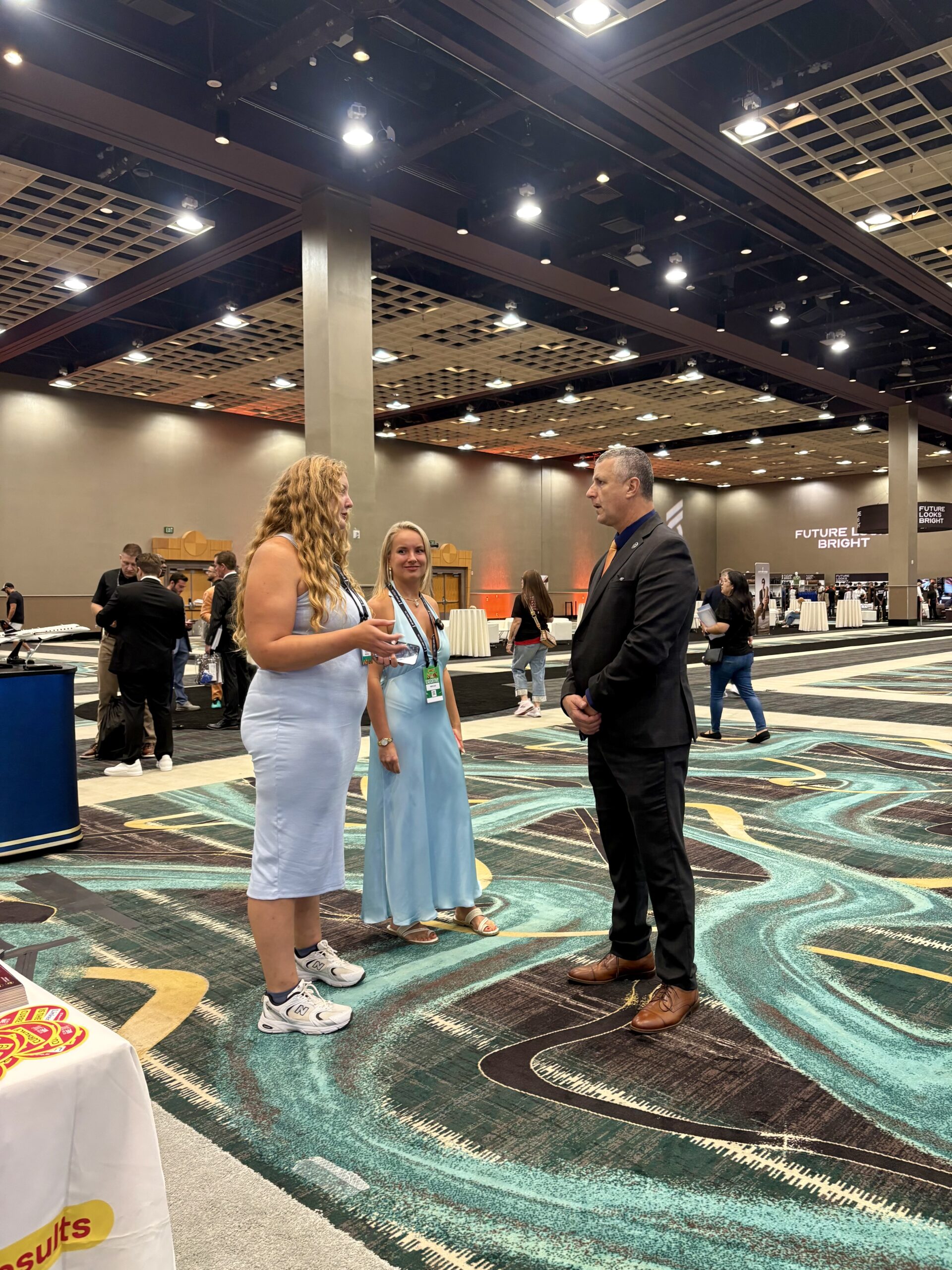
But being surrounded by people building businesses and brands made that lesson feel much more tangible. You could see the difference between simply being present and actually having a presence, because some people naturally attracted conversations through their ideas, their confidence, their reputation, or simply because others already knew who they were.
That distinction stayed with me because it is exactly what happens online. You can technically be visible everywhere, but if people cannot remember what you stand for or why your perspective matters, visibility alone is not going to build the reputation you want.
Attention Is Not the Same as Influence
We often measure personal branding through numbers, whether that is followers, impressions, views, likes, or comments, and while those metrics can tell us something, they are not the whole story.
Vault 26 reminded me that someone can have an enormous audience and still struggle to create meaningful influence, while another person with a much smaller audience can walk into the right room and immediately have credibility. The difference is often not how many people have seen them, but how clearly people understand what they represent.
So the question I want founders to ask is not simply, “How many people are seeing me?” It is, “What happens after they see me?” Do they remember your expertise, understand your perspective, trust your judgment, or think of you when an opportunity comes up?
Your Reputation Travels With You
One of my biggest takeaways from Vault 26 was how little separation there really is between your online and offline reputation.
We sometimes talk about personal branding as if it is something that happens exclusively on LinkedIn, where you write a post, someone sees it, and the interaction ends there. In reality, your digital reputation can follow you directly into a room, because someone may already know your name, have seen your content, visited your profile, or heard about your work before you ever introduce yourself.
That changes the dynamic of a conversation. Instead of starting with a completely blank slate, you may already have some level of credibility because people have had the opportunity to understand who you are and what you believe before meeting you.
For founders, that is an incredible advantage because your personal brand can create context before the conversation even begins.
Founders Need to Become More Visible
I came away from Vault 26 even more convinced that founders cannot afford to completely hide behind their companies.
Your business might have an excellent website, your team might be incredibly talented, and your product might be genuinely differentiated, but there is still tremendous value in allowing people to understand the person behind the business. Your story gives people context for why you do what you do, your opinions show them how you think, and your expertise gives them a reason to trust your judgment, while your personality makes the entire experience feel more human.
That combination is what can turn a professional presence into a recognizable personal brand. You do not have to share every detail of your life or turn yourself into an influencer, but you do need to give people enough access to your thinking that they can understand why you are worth listening to.
The Next Era of Personal Branding Will Be More Human
This is perhaps the part I am most excited about.
AI is making it easier to produce content, but making content faster does not automatically make it more meaningful. If anything, the flood of AI generated material is going to make genuine human perspective even more valuable because people will become increasingly aware of how much content sounds polished but says very little.
Your experiences cannot simply be copied, and neither can the lessons you have learned through building a company, making mistakes, dealing with uncertainty, or leading people. AI can help you communicate those experiences more efficiently, but it cannot create the reputation that comes from actually living them.
That is where I think founders have an enormous opportunity. Use technology to communicate more effectively, but do not allow it to remove the human being from your brand.
You Do Not Need to Become an Influencer
After Vault 26, I feel even more strongly about this because personal branding is still misunderstood as a race for attention.
You do not need millions of followers to build a valuable reputation. If you are a founder, perhaps you want investors to understand your vision, better clients to discover your expertise, talented people to want to work with your company, or industry leaders to recognize your perspective, and none of those goals require you to become famous.
What you need is clarity around what you want to be known for, a point of view that is genuinely yours, and enough consistency for the right people to remember you. In many cases, being deeply trusted by a few thousand relevant people is far more valuable than being vaguely recognized by millions.
What I Am Taking With Me From Vault 26
Events like Vault 26 can give you hundreds of conversations, new ideas, and introductions, but sometimes one of the most valuable things you take home is a change in perspective.
For me, it reinforced something I have believed for a long time: your reputation is becoming one of your most important business assets. Your company can evolve, your products can change, your strategy can shift, and even your industry can look completely different a few years from now, but the authority and trust you build around your own name can continue creating opportunities through all of those changes.
That is why I do not think founders should wait until they need visibility to start building it. By the time you desperately need attention, credibility, or opportunities, it is much harder to create a reputation from scratch.
The Real Personal Brand Test
Since coming back from Vault 26, I have been thinking about a very simple test I want founders to use when evaluating their personal brand.
If someone met you today, what would they remember about you tomorrow? Would they remember your job title and company name, or would they remember a perspective you shared, a problem you understood, a story you told, or a conversation that made them think differently?
That is the personal brand I want more founders to build, one that is clear enough to be recognized, credible enough to be trusted, and human enough to actually create a connection.
Your personal brand should not simply tell people that you are an expert. It should give them enough evidence to understand how you think, what you care about, and why your perspective is worth remembering.
Building Your Reputation Beyond Vault 26
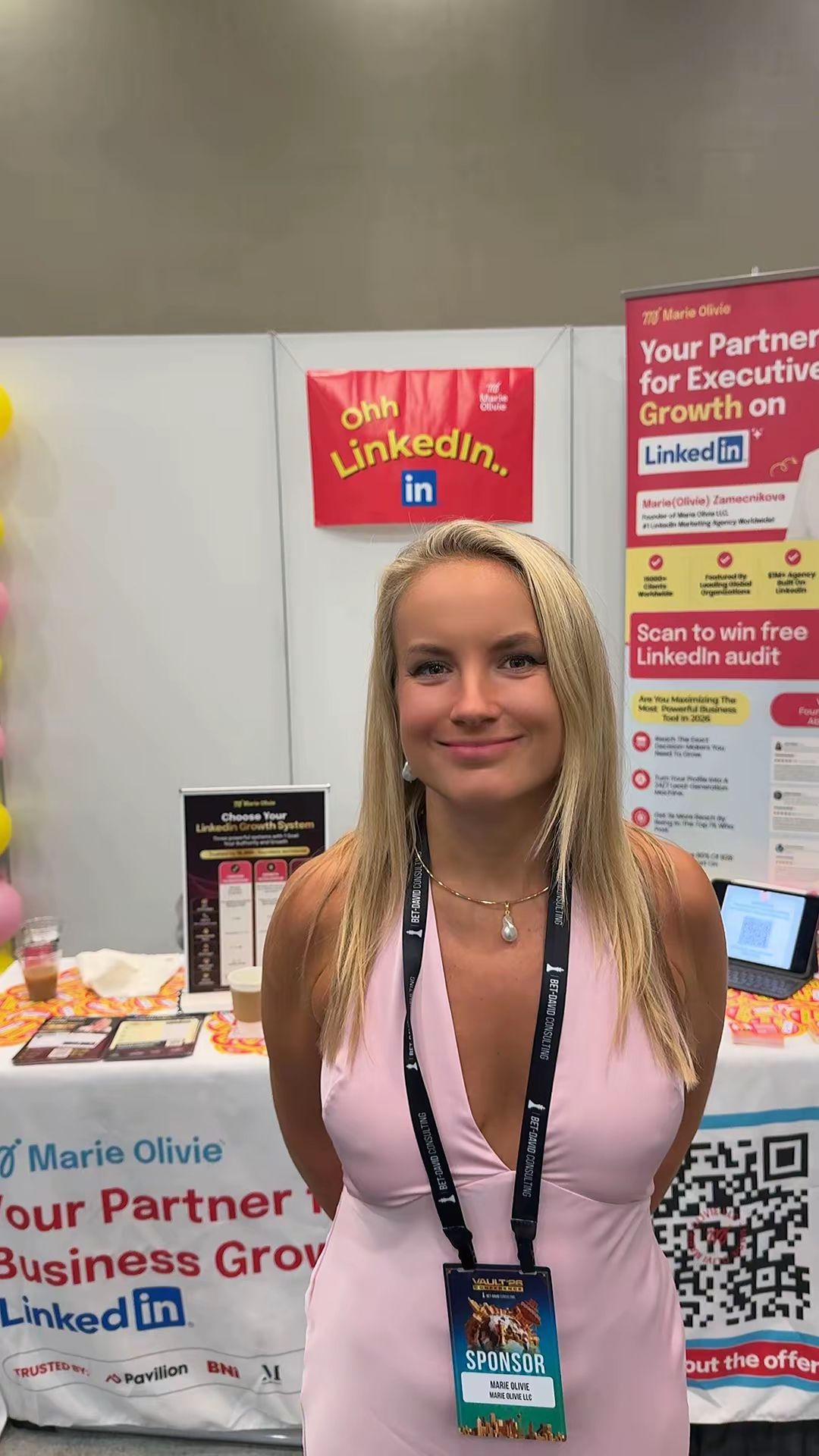
Vault 26 may be over, but the lessons I took from being there are going to stay with me.
For me, the biggest takeaway was not one specific presentation or one specific conversation. It was seeing, once again, what happens when expertise, visibility, relationships, and reputation come together in the same environment.
That is what I want founders to understand about personal branding. You are not building a profile simply for the sake of having a profile, you are building an asset that can influence how people perceive you, your leadership, and ultimately the business you are creating.
And the earlier you start, the more time you give that reputation to compound.
Ready to Build a Personal Brand That Lasts?
If you’re ready to turn your expertise into a personal brand that builds authority, creates trust, and supports the business you’re building, I’d love to welcome you to the Digital Business College.
Inside, I help founders and CEOs strengthen their positioning, create strategic content, build meaningful visibility, and develop a personal brand that can continue working long after a post disappears from someone’s feed.