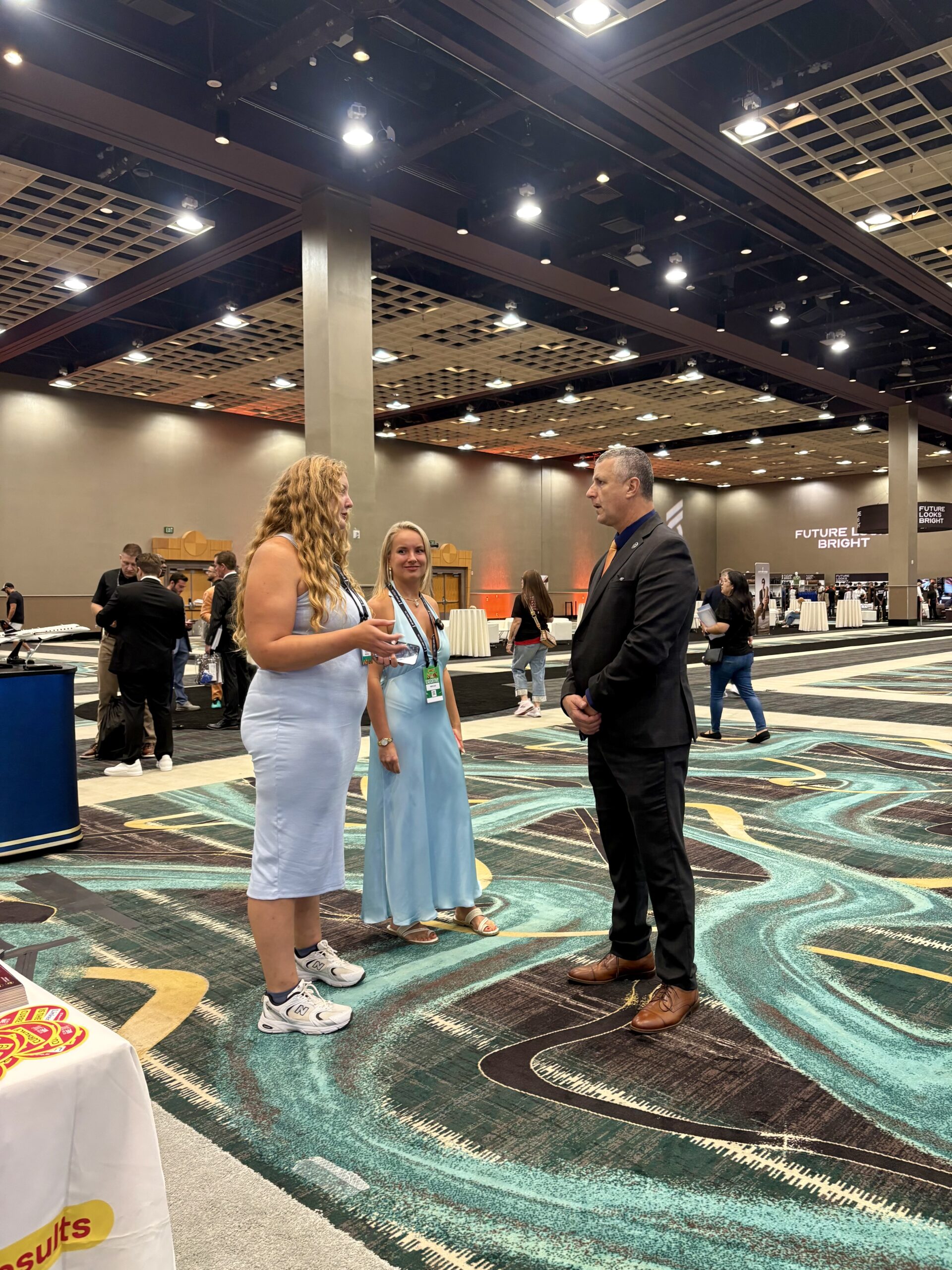
There are some business lessons you understand differently after experiencing them in person. Vault 26 was one of those experiences for me, because being surrounded by founders, entrepreneurs, brands, and ambitious people gave me a chance to observe something I talk about constantly: what actually makes a person stand out when everyone is competing for attention.
I came away thinking less about how much visibility someone has and more about what they do with it. The people who stayed in my mind were not necessarily the loudest people in the room, they were the ones with a clear identity, an interesting perspective, and the confidence to communicate what they believed.
That made me think about the founders I work with and the personal brands they are building. Here are six lessons from Vault 26 that I think are especially relevant if you want your reputation to grow alongside your business.

1. Your Personal Brand Starts Before You Introduce Yourself
One thing that becomes very obvious at an event like Vault 26 is that introductions are rarely the first point of contact anymore.
Someone may have already heard your name, seen your content, looked at your LinkedIn profile, or heard about your company before you ever shake their hand. By the time you introduce yourself, they may already have a basic impression of who you are and what you do.
That is exactly why your digital presence matters so much. Your personal brand can create context before the conversation begins, which means your profile and content should make it easy for someone to understand your expertise and remember what makes you different.
2. Clear Positioning Makes You Easier to Remember
There were so many different businesses and personalities at Vault 26, and that made one thing especially clear to me: when everyone is trying to get attention, clarity becomes incredibly powerful.
If I can understand what you do, who you help, and what you are particularly known for within a few moments, you become much easier to remember. If your message is vague and could describe hundreds of other founders, even a great conversation can become difficult to recall later.
Your personal brand does not need to communicate everything you have ever done. It needs to communicate the things you want to be associated with, because a clear reputation is much more valuable than a complicated one.
3. Expertise Alone Is Not Enough
I meet incredibly smart people all the time, and Vault 26 was another reminder that expertise by itself does not guarantee visibility.
You can have years of experience, brilliant ideas, and an impressive track record, but if nobody knows what you think, your expertise remains largely invisible. People cannot build a relationship with knowledge they never get the opportunity to see.
This is where content becomes important, because sharing your perspective gives people a window into how you approach problems. Your experience gives you credibility, but communicating that experience consistently is what allows other people to recognize it.
4. Your Personality Should Not Disappear Behind Your Expertise
I think founders sometimes become so focused on looking professional that they accidentally remove everything that makes them interesting.
Being professional does not mean sounding like everyone else. People want to understand the person behind the expertise, and the way you tell a story, explain an idea, react to something, or communicate your values can make your brand much more memorable.
That does not mean sharing everything about your private life. It simply means allowing some of your personality to exist alongside your expertise, because people are much more likely to connect with a real perspective than with a perfectly polished corporate voice.
5. Relationships Are Part of Your Personal Brand
Vault 26 also reminded me that personal branding is not only about content.
The way you interact with people, the conversations you have, the connections you maintain, and the value you bring to a relationship all become part of your reputation. You can have an incredible LinkedIn presence, but if your real world interactions do not match the person you present online, that disconnect eventually becomes obvious.
The strongest personal brands create consistency between what you say and how you show up. When your online presence introduces people to one version of you and your real world presence reinforces it, your reputation becomes much stronger.
6. Build Your Brand Before You Need the Opportunity
Perhaps the biggest lesson I took from Vault 26 is that reputation compounds quietly.
You never know which conversation will become a partnership, which connection will introduce you to a future client, or which person you meet today will remember your name years from now. That is why waiting until you need something before building your reputation can put you at a disadvantage.
Your personal brand should already be working when the opportunity appears. If people can discover your expertise, understand your perspective, and see evidence of your credibility before they meet you, you are entering the conversation with an advantage.
That is the real value of building early. You are not trying to create instant fame, you are giving your reputation time to grow.
What I Keep Thinking About After Vault 26
I left Vault 26 with plenty of ideas, but the biggest one was surprisingly simple: people remember how clearly you make them understand who you are.
Your story gives people context for your journey, your expertise gives them a reason to trust you, and your perspective gives them something worth remembering. When you combine those things with genuine relationships and consistent visibility, your personal brand starts becoming much more powerful than a profile or a collection of social media posts.
For founders especially, this matters because your reputation can influence the way people perceive not only you, but the company you represent. The stronger the connection between your personal authority and your business, the easier it becomes for people to understand why they should pay attention.
Your Reputation Is Working Even When You Are Not
The most valuable thing about personal branding is that it can continue creating opportunities when you are doing something completely different.
You might be sleeping, building your company, traveling, speaking at an event, or having dinner with your family, while somewhere else someone is discovering your profile or reading something you wrote months ago. Your reputation does not have to switch off when you do.
That is why I see personal branding as a long term business asset rather than another content task. You are building something that can continue introducing people to your expertise long after the original piece of content has disappeared from their feed.
What I Would Tell Every Founder After Vault 26
You do not need to become the most visible person in your industry.
You need to become recognizable for something meaningful, communicate your expertise in a way people can understand, and build enough trust that the right people remember your name when an opportunity appears.
That is what I saw reinforced at Vault 26, and it is why I believe founders should take their personal brand as seriously as they take their company positioning.
Your business has a brand. Your name has one too. Make sure you are intentionally building both.
Ready to Build a Personal Brand That Supports Your Business?
If you’re ready to turn your expertise into a personal brand that builds authority, attracts the right opportunities, and strengthens the reputation of your business, I’d love to welcome you to the Digital Business College.
Inside, I help founders and CEOs clarify their positioning, create strategic content, become more visible to the right audience, and build a personal brand that can continue creating opportunities as their business grows.