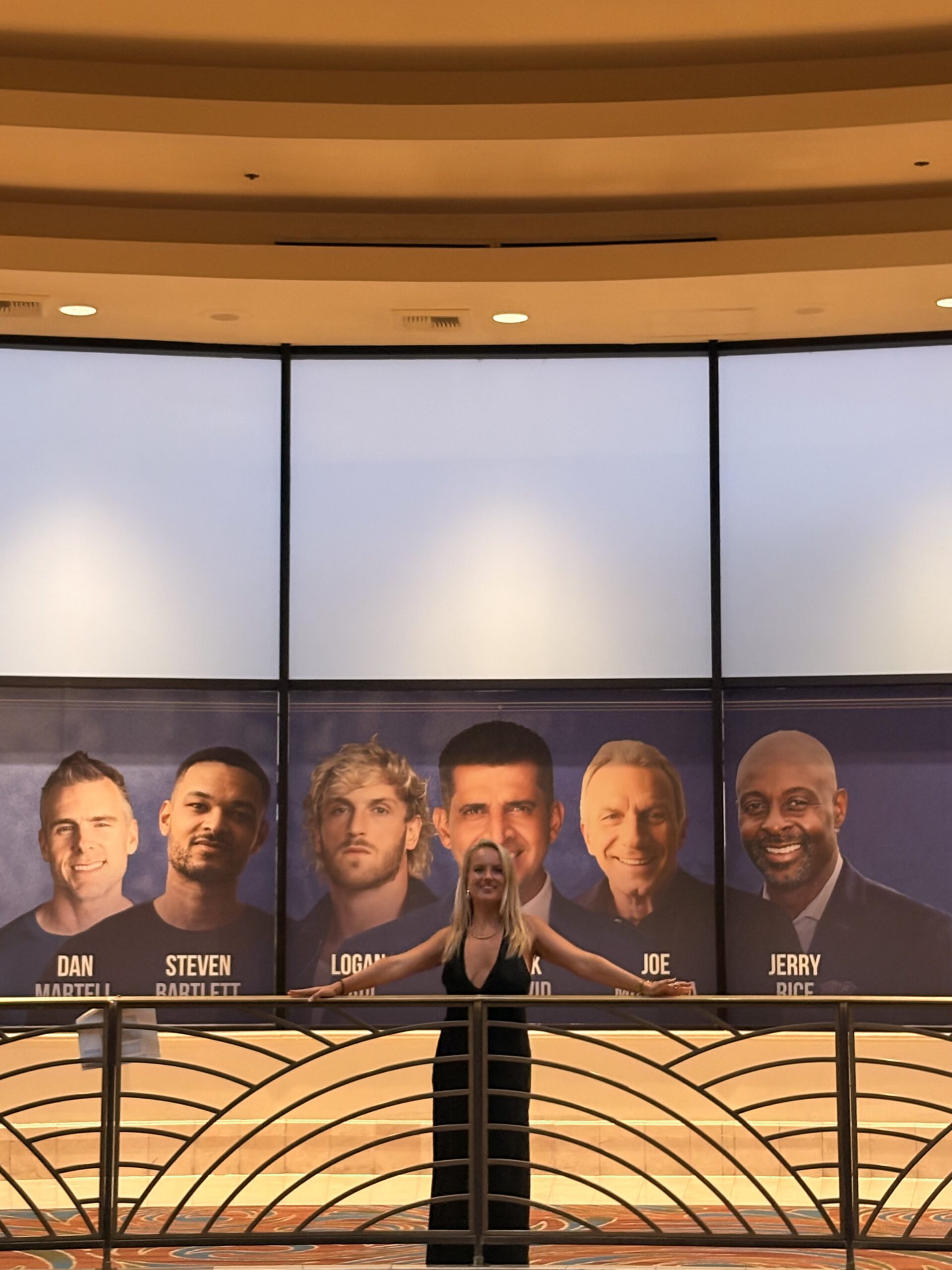
Meeting Patrick Bet David at Vault 26 gave me a different perspective on something I have spent years studying: what happens when a personal brand becomes bigger than any single platform.
I have followed the evolution of personal brands closely, especially among founders and CEOs, and there are certain patterns that consistently separate recognizable names from everyone else. Patrick is a particularly interesting example because his personal brand is not built around one type of content or one social platform. It has developed into a much larger ecosystem built around ideas, media, education, entrepreneurship, and a very recognizable point of view.
Being around him at Vault 26 made those lessons feel much more tangible to me. Here are five things I think founders can learn from the way Patrick Bet David has built his personal brand.
1. Become Known for a Point of View
The strongest personal brands are rarely built by simply repeating information that everyone else already knows.
Patrick has developed a very recognizable perspective around entrepreneurship, business, money, leadership, and personal development. Whether people agree with every opinion or not, they generally understand the kind of conversations they can expect when they encounter his content.
That is something I want more founders to think about. You do not need to agree with everyone in your industry, and you certainly do not need to make controversial statements simply to get attention, but you do need to have ideas of your own. A personal brand becomes much more memorable when people can associate your name with a particular way of thinking.
2. Build a Content Ecosystem, Not Just a Social Media Account
Another lesson I take from Patrick’s brand is the importance of thinking beyond a single platform.
A personal brand can start with LinkedIn, YouTube, a podcast, or even a simple newsletter, but the strongest brands eventually create multiple ways for people to experience their ideas. Short form content can introduce someone to you, longer conversations can build familiarity, and your business or educational products can give people somewhere to go next.
That creates an ecosystem rather than a feed.
For founders, this is particularly valuable because different people prefer to consume information in different ways. Someone might discover you through a LinkedIn post, then watch one of your videos, hear you on a podcast, and eventually become a customer or partner because they have had multiple opportunities to understand how you think.

3. Consistency Makes Your Name More Powerful
Personal branding is often discussed as though there is one perfect post that can change everything.
In reality, recognizable brands are usually built through repetition. You continue talking about the subjects you understand, sharing your perspective, developing your ideas, and showing up consistently enough that people begin to associate those ideas with your name.
That consistency creates familiarity, and familiarity can eventually become trust.
This is something founders should remember when they become frustrated because a post does not perform well. Your personal brand is not built from one piece of content. It is built from the accumulated impression people develop after encountering you again and again.
4. Let Your Personality Exist Alongside Your Expertise
One thing I think Patrick does particularly well is make his content feel connected to a person rather than simply a business or educational brand.
Expertise gets people’s attention, but personality often determines whether they stay interested. The way you tell stories, explain ideas, react to something, communicate your beliefs, and bring your own experiences into a conversation gives people something they cannot get from a generic industry article.
This is especially important now that AI can produce polished content so easily. When everyone can generate something that sounds professional, your human perspective becomes much more valuable. Your experiences, your stories, your sense of humor, and the way you interpret what is happening around you are part of what makes your personal brand difficult to replicate.
5. Turn Attention Into Something Bigger
Perhaps the most important lesson is that a personal brand should ultimately create something beyond attention.
Followers and views can be useful, but they become much more valuable when they connect to a larger business ecosystem. Your content can introduce people to your ideas, your reputation can build trust, and your company, products, services, community, or other ventures can give that audience a meaningful next step.
That is the difference between building an audience and building an asset.
For founders, I think this is a crucial distinction. You should not be creating content simply because everyone tells you that you need to “build a personal brand.” You should understand what that reputation is ultimately helping you build and how your visibility connects to the bigger vision for your business.
What Meeting Patrick Made Me Think About
Meeting Patrick at Vault 26 made these lessons particularly interesting because I was not simply studying another personal brand from a distance. I was seeing the person behind a reputation that has been built over many years and across many different channels.
It reminded me that personal branding is not really about creating an image. It is about creating a recognizable connection between your name, your ideas, your expertise, and the value you bring to other people.
That connection takes time to build, but once it becomes strong, it can travel much further than any individual post.
You Do Not Need to Copy Patrick Bet David
I think this is an important distinction whenever we study someone with a large personal brand.
The goal is not to copy their content, their personality, their communication style, or their business model. What we should study is the thinking behind what they have built.
What do people associate with their name? Why do they keep coming back? What makes the content recognizable? How does the personal brand connect with the wider business? Those are the questions that can actually help you build something of your own.
Your personal brand should ultimately sound and feel like you, because the most valuable thing you can build is not a smaller version of someone else’s reputation. It is a reputation that could only belong to you.
The Personal Brand Advantage for Founders
Founders have a unique opportunity because their personal brand can grow alongside the company they are building.
When people trust your judgment, understand your expertise, and recognize your perspective, that trust can extend into the businesses and ideas you represent. Your personal reputation can become an additional layer of credibility that traditional company marketing cannot always create on its own.
That is why I believe founder visibility will become even more important in the years ahead. As AI makes information and content increasingly abundant, people will care more about who is behind the ideas and whether they have a reason to trust them.
Build a Brand People Can Recognize Without Seeing Your Name
The biggest lesson I take from Patrick Bet David’s personal brand is ultimately very simple: your goal should be to become recognizable for something.
When someone encounters your content without seeing your name, they should eventually be able to recognize your perspective. When someone hears your name, they should immediately connect it with a particular area of expertise or a set of ideas.
That kind of recognition does not happen overnight, and it does not come from chasing every trend. It comes from having something meaningful to say, communicating it consistently, and allowing people to see the person behind the expertise.
That is the kind of personal brand worth building.
Ready to Build Your Personal Brand?
If you’re ready to turn your expertise, experience, and perspective into a personal brand that builds authority and supports your business, I’d love to welcome you to the Digital Business College.
Inside, I help founders and CEOs clarify what they should be known for, strengthen their positioning, create strategic content, and build a personal brand that can become one of their most valuable long term business assets.