I went to Vault 26 expecting great conversations, new ideas, and the kind of energy you only get when ambitious people are in the same room. I came back thinking about personal branding in a slightly different way, because being around so many businesses and personalities makes you notice what actually captures attention and, more importantly, what makes someone stay in your memory.
We talk so much about visibility online that it is easy to forget what visibility is supposed to accomplish. It is not simply about getting more people to see your name, it is about creating enough clarity and trust that people understand who you are, what you stand for, and why they should remember you.
Here are four lessons I took from Vault 26 that I think every founder should think about when building their personal brand.
1. Being Visible Is Only the Beginning
One of the first things you notice at a major business event is just how much competition there is for attention. There are brands everywhere, people having conversations, speakers sharing ideas, and founders trying to make meaningful connections, which makes it very obvious that simply showing up does not automatically make you memorable.
The same thing happens online. You can publish consistently, appear in people’s feeds, and grow your audience, but if your content does not communicate anything distinctive, people may see you without actually remembering you.
For me, that is where positioning becomes so important. You need to know what you want people to associate with your name, because when someone can immediately connect you with a specific area of expertise or perspective, your visibility starts becoming much more valuable.
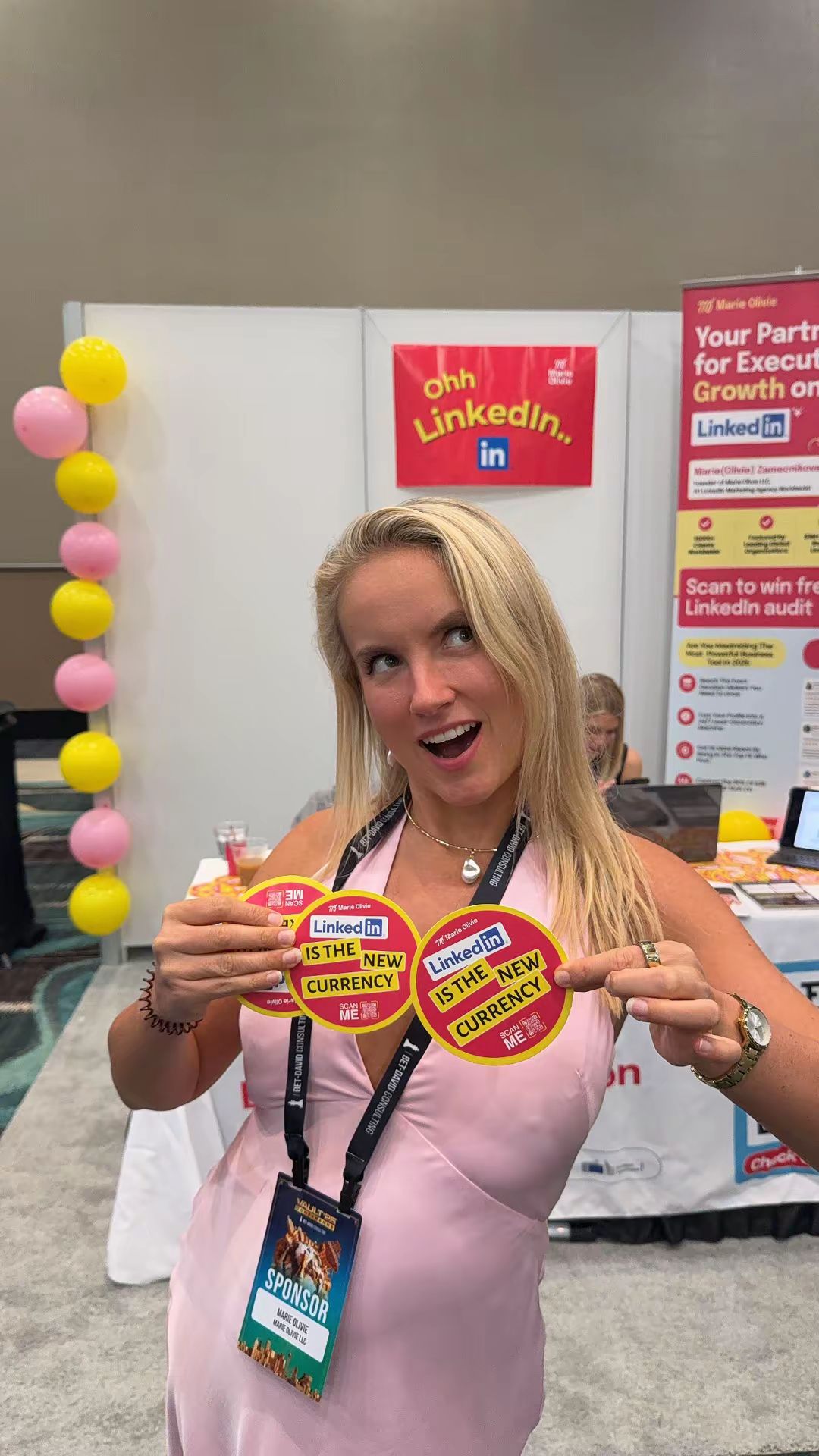
2. Your Personality Is Part of Your Brand
Something I always notice when I attend events in person is how different a person can feel when you actually interact with them compared with how they appear online.
Your expertise matters, but people also remember how you made them feel, how you communicated, the stories you shared, and the energy you brought into the conversation. Those things might not fit neatly into a LinkedIn headline, but they are still part of your personal brand.
That is why I do not believe founders should try to make their online presence completely polished and impersonal. Your experience gives people a reason to listen, but your personality gives them a reason to connect, and the combination is what makes a professional brand feel human rather than manufactured.
3. The Right Connections Matter More Than More Connections
Vault 26 also reminded me that networking is not really about collecting as many contacts as possible.
You can leave an event with hundreds of new connections and still have very few meaningful relationships. On the other hand, one conversation with the right person can completely change how you think about an idea, introduce you to an opportunity, or lead to a relationship that continues for years.
The same principle applies to your online audience. I would much rather see a founder build a community of people who genuinely care about their expertise than chase a huge follower count that has no connection to their goals.
Your personal brand should attract the right people, not simply the largest number of people.
4. Your Reputation Should Work Beyond the Event
This might be my biggest takeaway from Vault 26.
An event gives you a moment of visibility, but what happens after you leave is where your reputation really starts to matter. Someone you met might search for you later, look at your LinkedIn profile, read your content, visit your website, or send your name to someone else.
That means your online presence should be ready to continue the conversation after the event ends. If someone meets you at Vault 26 and then searches your name, the experience they have online should reinforce the impression you made in person.
This is why I think personal branding should be treated as an ecosystem. Your conversations, content, profile, company, website, interviews, and real world presence should all contribute to the same overall reputation.
What Vault 26 Reinforced for Me
There is something powerful about stepping outside your usual environment and seeing your industry from a different perspective.
For me, Vault 26 reinforced the idea that personal branding is ultimately about creating recognition and trust. You can use LinkedIn, YouTube, podcasts, events, speaking opportunities, and countless other channels to become more visible, but none of those channels can replace having something meaningful to say.
Your story gives people context for your journey, your expertise shows them that you know what you are talking about, and your perspective gives them a reason to remember you. When those things are communicated consistently, your personal brand becomes much more than a collection of posts or a polished profile.
It becomes a reputation.
The Goal Is to Be Remembered for the Right Reasons
If there is one question I would encourage every founder to ask after an event like Vault 26, it is this: what do I want people to remember about me?
Not what do I want them to see, and not how many people do I want to reach, but what do I actually want to remain in their minds after the conversation is over?
Maybe it is your expertise. Maybe it is the way you think about your industry. Maybe it is the problem you are solving or the mission behind your company. Whatever it is, your personal brand should make that association easier for people to form.
Because ultimately, the strongest personal brands are not necessarily the loudest ones. They are the ones that stay with you.
Building a Brand That Continues After Vault 26
Vault 26 gave me plenty of ideas and conversations to take home, but it also reminded me that building a reputation is a much bigger process than attending one event or publishing one great post.
Every interaction contributes to how people perceive you. Every piece of content gives people another reason to understand your perspective, and every meaningful relationship creates another opportunity for your reputation to travel further.
That is why I believe founders should start building their personal brand long before they think they need it. When the right opportunity eventually appears, you want your reputation to have already arrived before you do.
Ready to Build Your Personal Brand?
If you want to turn your expertise and experience into a personal brand that builds authority, attracts the right opportunities, and supports your business, I’d love to welcome you to the Digital Business College.
Inside, I help founders and CEOs clarify their positioning, build meaningful visibility, create strategic content, and develop a reputation that can grow alongside their business.