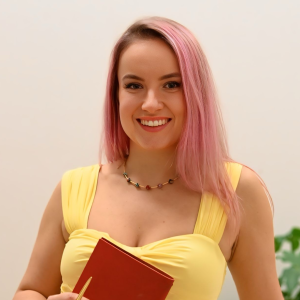
When I came back from Vault 26, I found myself looking at LinkedIn a little differently. I spend a lot of time talking about LinkedIn as a platform for founders and CEOs, but being in a room full of ambitious people reminded me that the most powerful LinkedIn strategy is not really about the platform at all.
It is about what happens when your online presence meets your real world reputation. At Vault 26, I could see how quickly people move between those two worlds, meeting someone in person and then looking them up online, discovering a profile before a conversation, or continuing a conversation after the event through LinkedIn.
That experience reinforced five things I want every founder to understand about using LinkedIn strategically.
1. Your LinkedIn Profile Is Often Your Second Introduction
When you meet someone at an event, the conversation might only last a few minutes, but the relationship does not necessarily end when you walk away.
There is a good chance they will search for you afterward, especially if the conversation was interesting or there was a potential business opportunity involved. That means your LinkedIn profile can become the second introduction, giving someone a much deeper impression of who you are after the initial meeting.
This is why I believe founders should stop treating their LinkedIn profile as an online résumé. Your profile should continue the conversation you started in person, making it clear what you do, what you know, and what you want to be remembered for.
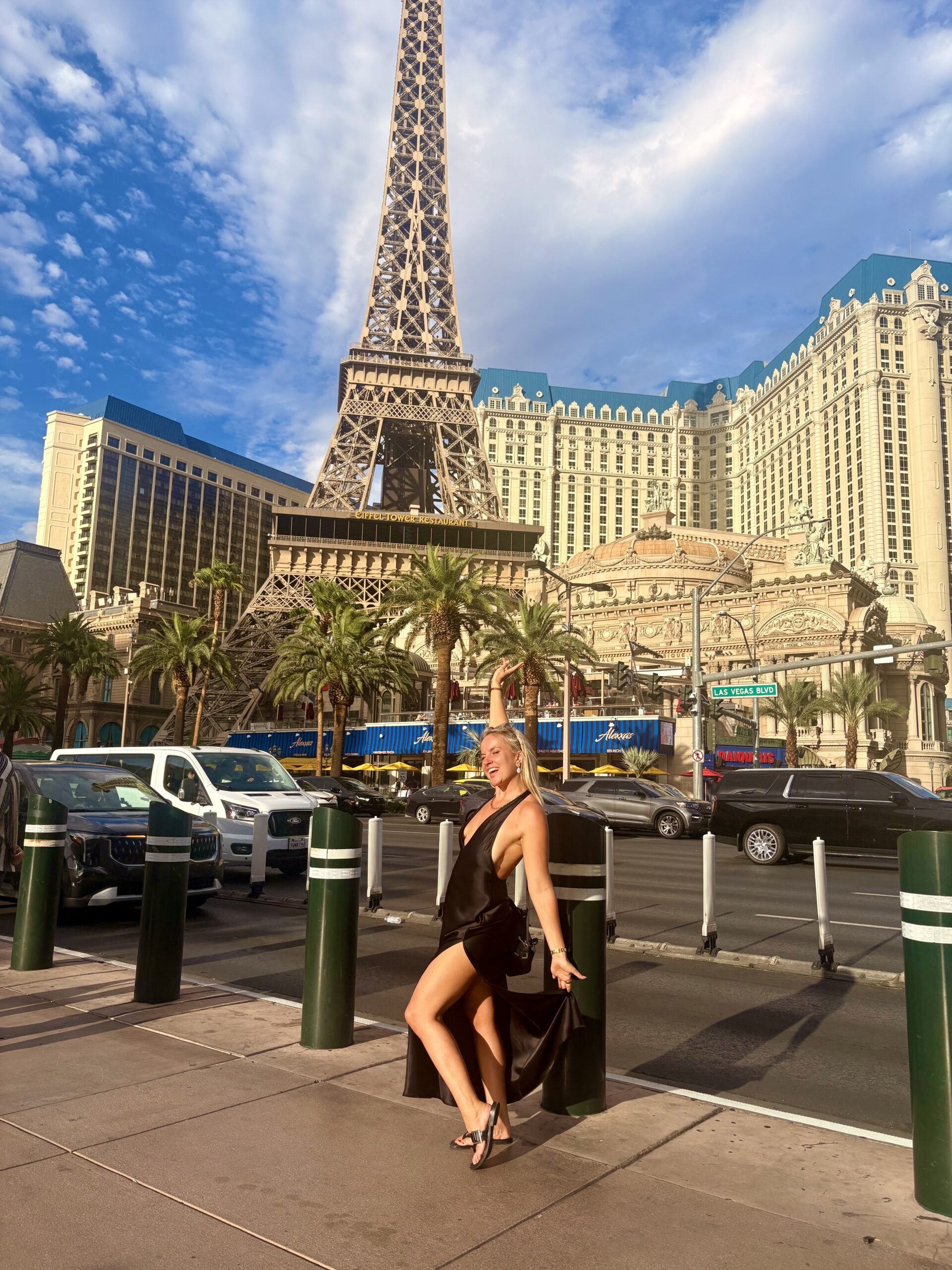
2. Events Give Your LinkedIn Content More Meaning
One thing I love about attending events is that they give you experiences to bring back into your content.
Instead of sitting down and asking yourself, “What should I post today?”, you suddenly have conversations, observations, lessons, questions, and experiences that can become meaningful content. Vault 26 gave me plenty of those moments, and it reminded me that some of the strongest LinkedIn content comes from actually being out in the world and paying attention.
Your experiences become more valuable when you reflect on them. You can share what surprised you, what challenged your thinking, what you learned from another founder, or what you would do differently, turning a simple event experience into something your audience can learn from.
3. LinkedIn Can Extend a Real World Relationship
There is something powerful about meeting someone in person and then continuing that relationship online.
At an event, you might have ten minutes to talk to someone, but LinkedIn gives you the opportunity to stay connected long after the event ends. They can see what you are thinking about, understand your work in more detail, and continue interacting with your ideas without requiring another meeting.
That is why I do not see LinkedIn networking as separate from real world networking. The two can work together incredibly well, with the event creating the initial human connection and your online presence giving that relationship somewhere to go.
4. Your Content Should Sound Like the Person People Met
This is one of the biggest lessons I took from being at Vault 26.
If someone meets you in person and finds you thoughtful, funny, curious, passionate, or incredibly knowledgeable, but then visits your LinkedIn profile and finds a completely generic corporate voice, something feels disconnected.
Your personal brand should feel consistent across the different places people experience you. Your LinkedIn content does not need to sound exactly like the way you speak in every conversation, but it should still feel like it comes from the same person.
That means allowing your personality into your content, sharing your actual opinions, and writing about things you genuinely care about instead of trying to sound like the imaginary version of a “successful founder.”
5. LinkedIn Should Help People Remember You After the Event
An event creates a moment of attention, but your LinkedIn presence can help turn that moment into something lasting.
Imagine meeting someone at Vault 26, having a great conversation, and then connecting on LinkedIn. If they visit your profile and immediately understand your expertise, see thoughtful content, and recognize a consistent point of view, you have given that relationship another reason to continue.
That is where I think LinkedIn becomes particularly powerful for founders. It allows the reputation you build offline to continue working online, while your online presence can also create opportunities to meet people offline.
The two reinforce each other.
The Best LinkedIn Strategy Might Start Offline
We often think about LinkedIn as a place where we need to create visibility, but Vault 26 reminded me that some of the best content and relationships begin away from the screen.
Go to the event. Have the conversation. Ask the interesting question. Meet someone you would never normally meet. Then bring what you experienced back to your audience and share your perspective on it.
That creates content with substance because it comes from somewhere real.
And I think that is increasingly important in a world where anyone can produce a polished post in seconds. Your actual experiences, conversations, and observations give your content something that cannot be generated by simply following a content formula.
Your LinkedIn Profile Should Be Ready Before You Walk Into the Room
There is one practical lesson I would give every founder before their next event: update your LinkedIn profile first.
Make sure your headline clearly communicates what you do, your About section reflects your current positioning, your Featured section showcases your strongest work, and your profile photo and banner create the right first impression.
You do not know who will search for you after meeting you.
You do not know which conversation might turn into a partnership, client relationship, investment opportunity, or introduction. Your profile should be ready to support those possibilities before they happen.
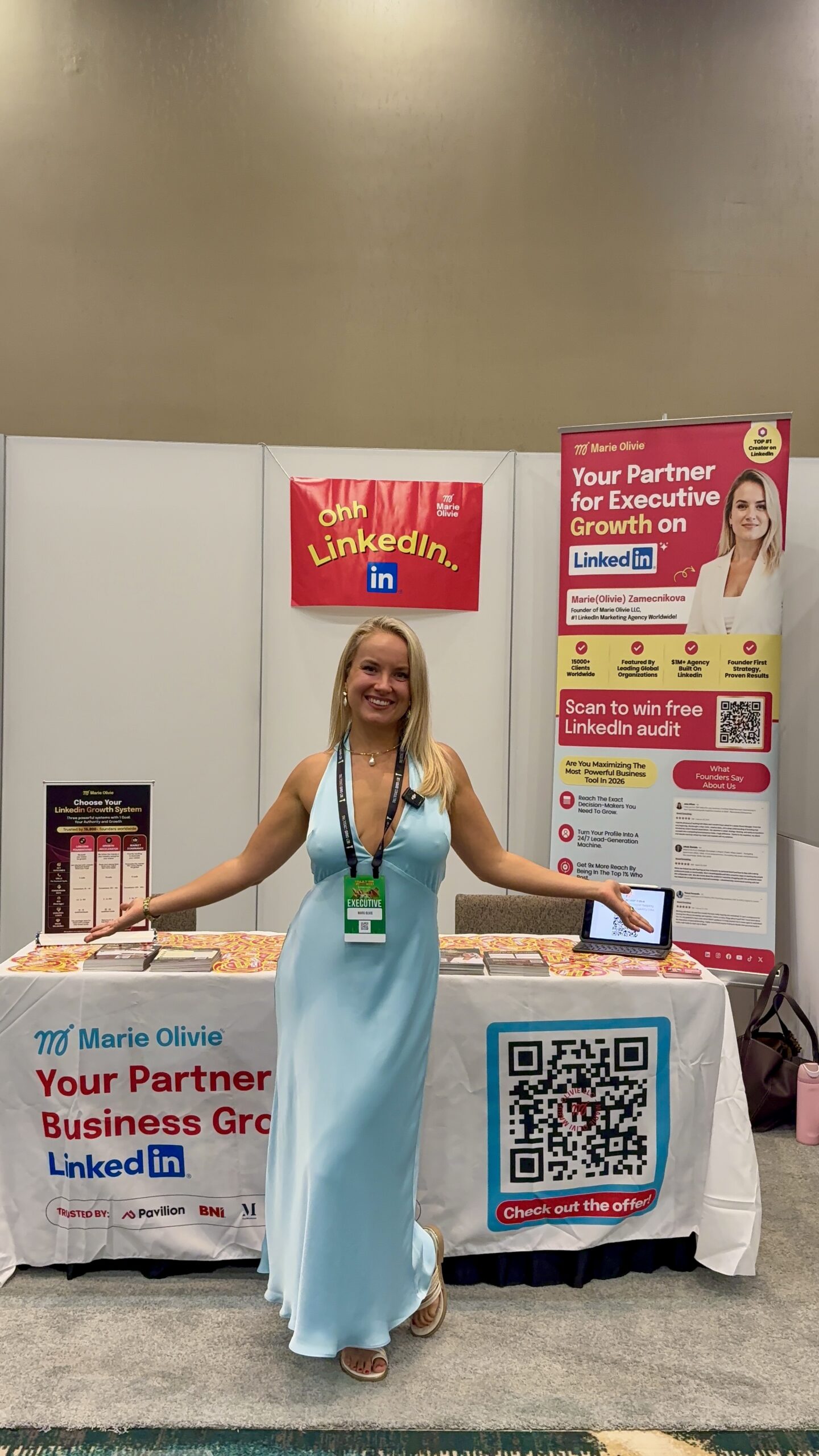
Vault 26 Reinforced Why I Still Believe in LinkedIn
After everything I experienced at Vault 26, I came away with an even stronger belief that LinkedIn is most powerful when we stop treating it as an isolated social platform.
It can be the bridge between your reputation and your relationships, between the conversation you have today and the opportunity that comes months later. It gives people somewhere to go after they meet you, and it gives people who have never met you a way to discover your expertise.
That is the kind of LinkedIn presence I want founders to build, one that does not simply generate impressions but creates recognition, trust, and meaningful relationships.
Because ultimately, your LinkedIn profile should not replace the person you are in the room. It should make people want to meet that person.
Ready to Build a LinkedIn Presence That Works Beyond the Feed?
If you’re ready to turn LinkedIn into a stronger part of your personal brand and business strategy, I’d love to welcome you to the Digital Business College.
Inside, I help founders and CEOs clarify their positioning, create strategic content, build authority on LinkedIn, and develop a personal brand that continues working both online and in the real world.