Every major real estate event creates the same opportunity. Founders, investors, brokers, developers, and industry leaders come together in one place, ready to exchange ideas, build relationships, and explore new business opportunities. Yet, while everyone is focused on meeting the right people, many founders overlook something that can determine whether those conversations lead anywhere after the event.
Their personal brand.
I’m attending The Real Deal Miami, and one thing I want founders to think about before walking into a room full of potential connections is what happens after the introduction. You might have an impressive portfolio, years of experience, and a business worth talking about, but what happens when someone you meet searches for your name on LinkedIn later that evening?
In today’s business environment, networking doesn’t end when the conversation does. People look you up, explore your professional background, review your content, and form opinions about your credibility before deciding whether to continue the relationship. If your online presence doesn’t reflect the person they met in real life, you could be missing opportunities that began with a promising introduction.
Why Networking at The Real Deal Miami Starts Before the Event
When founders prepare for a major real estate event, they often focus on their schedules, meeting lists, business cards, and introductions. These things matter, but I would add one more priority to that preparation: making sure your digital presence communicates the same level of professionalism and credibility as you do in person.
Think about how people approach networking today. You meet someone interesting, exchange a few words, and connect on LinkedIn. Later, when they have a quiet moment, they visit your profile to understand who you are, what you do, and whether there might be a reason to work together. That decision can happen long after you have left the venue.
Your LinkedIn profile becomes part of the impression you leave behind. If it clearly communicates your expertise, business focus, and professional perspective, it helps the other person remember why the conversation was worth having. If it is outdated, vague, or disconnected from your current work, it may leave them with more questions than answers.
This is why I encourage founders to treat their personal brand as part of their networking preparation, not something to think about once the event is over. You don’t need to transform your entire online presence overnight, but you should make sure the essentials are in place before arriving.
1. Most Founders Focus on Who They Want to Meet, Not What People Will Find
One of the biggest mistakes I see in professional networking is spending all your time thinking about the people you want to reach while ignoring what those people will discover about you. Founders research potential connections, prepare their introductions, and plan which conversations they want to have. Yet many haven’t looked at their own LinkedIn profile from the perspective of someone meeting them for the first time.
Imagine meeting an investor who is interested in your real estate business. You have a good conversation, explain your current focus, and connect on LinkedIn. When they visit your profile, however, your headline describes an old role, your About section says very little about your current work, and your recent content gives no indication of your expertise in the industry.
Nothing about that profile necessarily means you lack credibility. But it creates a disconnect between the impression you made in person and the information available online. The other person now has to work harder to understand your business and determine whether there is a reason to continue the conversation.
Before attending The Real Deal Miami, review your profile as if you were a potential investor, client, or strategic partner encountering you for the first time. Make your current role clear, explain what your business does, and communicate the experience or perspective that differentiates you. Your profile should help people understand why they should remember you, rather than forcing them to piece together your professional story themselves.
2. Your LinkedIn Profile Should Answer the Questions People Are Already Asking
When someone looks you up after meeting you, they are usually trying to understand a few basic things. What do you do? Who do you work with? What experience do you bring to the table? And is there a meaningful reason to stay connected?
Your headline is one of the first places where you can answer those questions. A headline that simply lists a job title might be accurate, but it may not communicate the full value of your work. Founders can use this space to clarify their business focus, the people they serve, or the expertise they bring to their industry, provided the description remains accurate and easy to understand.
Your About section should then give people more context. Rather than filling it with broad claims about being passionate, innovative, or results driven, explain what you do, why it matters, and what experience has shaped your approach. Specificity makes your positioning easier to understand and gives people something concrete to remember.
I would also review your Featured section and recent activity. If you have relevant interviews, articles, projects, or insights that demonstrate your expertise, make them easy to discover. When someone is deciding whether to continue a business relationship, a coherent profile can help reinforce the credibility you established during your initial conversation.
3. Don’t Make Your Online Presence Look Like a Different Person
Your personal brand should feel consistent across the places where people encounter you. If you present yourself as an experienced, forward thinking real estate founder in person, but your LinkedIn profile offers little context about your work, the experience can feel disconnected. Consistency helps people connect the person they met with the professional identity they discover online.
This doesn’t mean every founder needs to publish daily or maintain a perfectly polished social media presence. It means your profile, professional story, and content should communicate a recognizable point of view. Your audience should be able to understand what you do, what you know, and what you care about without encountering conflicting or outdated information.
For founders in real estate, this can be especially important because relationships often depend on trust, credibility, and the ability to understand someone’s track record. People may want to learn about your experience, how you think about the market, or the perspective you bring to a particular opportunity. Your online presence can help provide that context before a second conversation takes place.
I encourage founders to share insights that reflect their real experience rather than posting simply because they believe they need to be visible. A thoughtful observation about an industry challenge, a lesson from building a business, or a perspective on leadership can communicate much more than a generic motivational post. The goal is to help people understand the person and expertise behind the business.
4. Networking Is More Than Collecting Connections
It is easy to measure networking by the number of people you meet, business cards you collect, or LinkedIn connections you add after an event. Those numbers can be useful, but they don’t necessarily tell you whether you are building relationships that matter.
A strong professional relationship usually develops through more than one interaction. You might meet someone at The Real Deal Miami, discover that you share an interest or business challenge, and connect on LinkedIn afterward. A relevant follow up, a useful conversation, or an exchange of ideas can help turn that initial introduction into a relationship worth maintaining.
Your personal brand can support that process by giving people more reasons to stay connected. When your content reflects your expertise and interests, it creates opportunities for people to continue learning about your perspective even when you are not speaking directly. Someone who wasn’t ready to explore a business opportunity during the event might remember your work later when a relevant need arises.
This is why I would focus less on how many people you can meet and more on whether you are making the right connections memorable. Be genuinely interested in the people you meet, ask thoughtful questions, and follow up when there is a real reason to continue the conversation. Your LinkedIn presence should reinforce those relationships rather than become a substitute for building them.
5. Give People a Reason to Remember You After the Event
At a major industry gathering, you are rarely the only person someone meets that day. Founders and investors may have several conversations, attend multiple sessions, and connect with dozens of professionals. Even a positive introduction can become difficult to remember once everyone returns to their usual routines.
A clear personal brand can help you stand out without requiring you to be the loudest person in the room. When people understand what you do, what you believe, and the perspective you bring to your industry, they have a clearer way to remember you. That recognition can make future conversations feel more natural because they already have some context about your work.
Your LinkedIn content can help reinforce that impression. Instead of trying to post about everything, focus on the topics that reflect your expertise and professional priorities. For a real estate founder, that might include lessons from building a company, observations about the industry, approaches to leadership, or thoughtful perspectives on market challenges. The most effective topics will depend on your actual experience and the audience you want to reach.
I would also encourage you to continue the conversation after the event in a way that feels natural. If you discussed a particular idea with someone, you might share an article related to that subject or follow up with a thoughtful message. Small, relevant interactions can help maintain a connection without making networking feel transactional.
How to Prepare Your LinkedIn Presence Before The Real Deal Miami
Before the event, take a little time to review your profile and make sure it reflects your current business and professional goals. Check your headline, About section, profile photo, and Featured section. Remove outdated information, clarify your positioning, and make it easy for someone unfamiliar with your work to understand what you bring to the industry.
Next, think about the people you hope to meet and the conversations you want to have. You don’t need to turn every interaction into a sales opportunity, but understanding your priorities can help you communicate more clearly. Consider what you want people to remember about you and whether your online presence supports that impression.
Finally, plan how you will maintain the relationships you build. Make it easy for people to find you on LinkedIn, connect with those you genuinely want to stay in touch with, and follow up when you have something meaningful to say. After the event, continue sharing relevant insights so that your professional presence remains active and recognizable.
The objective is not to create a flawless profile or turn networking into a performance. It is to make sure that when someone is interested enough to learn more about you, they find a clear and credible representation of your work.
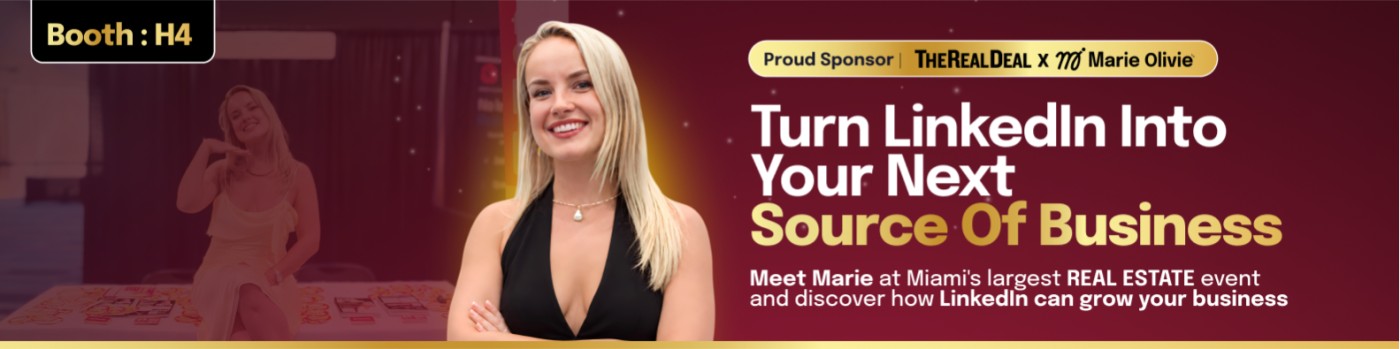
I’ll Be at The Real Deal Miami. Let’s Connect.
I’m attending The Real Deal Miami, and I’m looking forward to the conversations, ideas, and connections that come from bringing ambitious people in real estate together. Events like this are valuable not only because of the people you meet in the room, but also because of the relationships you can continue building long after the event ends.
As someone who works in personal branding and LinkedIn strategy, I’m particularly interested in how founders communicate their expertise and build trust in an increasingly competitive business environment. Your reputation doesn’t begin and end with your company, and the way people understand you as a founder can influence how they perceive your leadership, your business, and the opportunities you may be able to create together.
If you’re attending The Real Deal Miami, I’d love to connect. Find me on LinkedIn, say hello, and tell me what you’re building. I’d be happy to connect with fellow founders and real estate professionals who believe that strong relationships begin with genuine conversations.
Your Next Business Opportunity Might Start With Your Personal Brand
The most valuable outcome of a networking event isn’t necessarily the number of contacts you add to your network. It is the relationships you build, the trust you establish, and the opportunities that develop because people understand what you bring to the table.
For founders, personal branding is part of that process. A clear LinkedIn presence helps people discover your expertise, understand your perspective, and continue the conversation after you’ve met. When your online reputation supports the impression you make in person, networking has a better chance of becoming something more meaningful than a brief introduction.
If you want to strengthen your LinkedIn presence and build a personal brand that supports your business goals, explore my YouTube channel for practical insights on personal branding, LinkedIn strategy, and professional visibility. I share ideas to help founders communicate their value more clearly, build credibility, and create meaningful opportunities through the way they show up online.